The expertise of Château Peyrabon
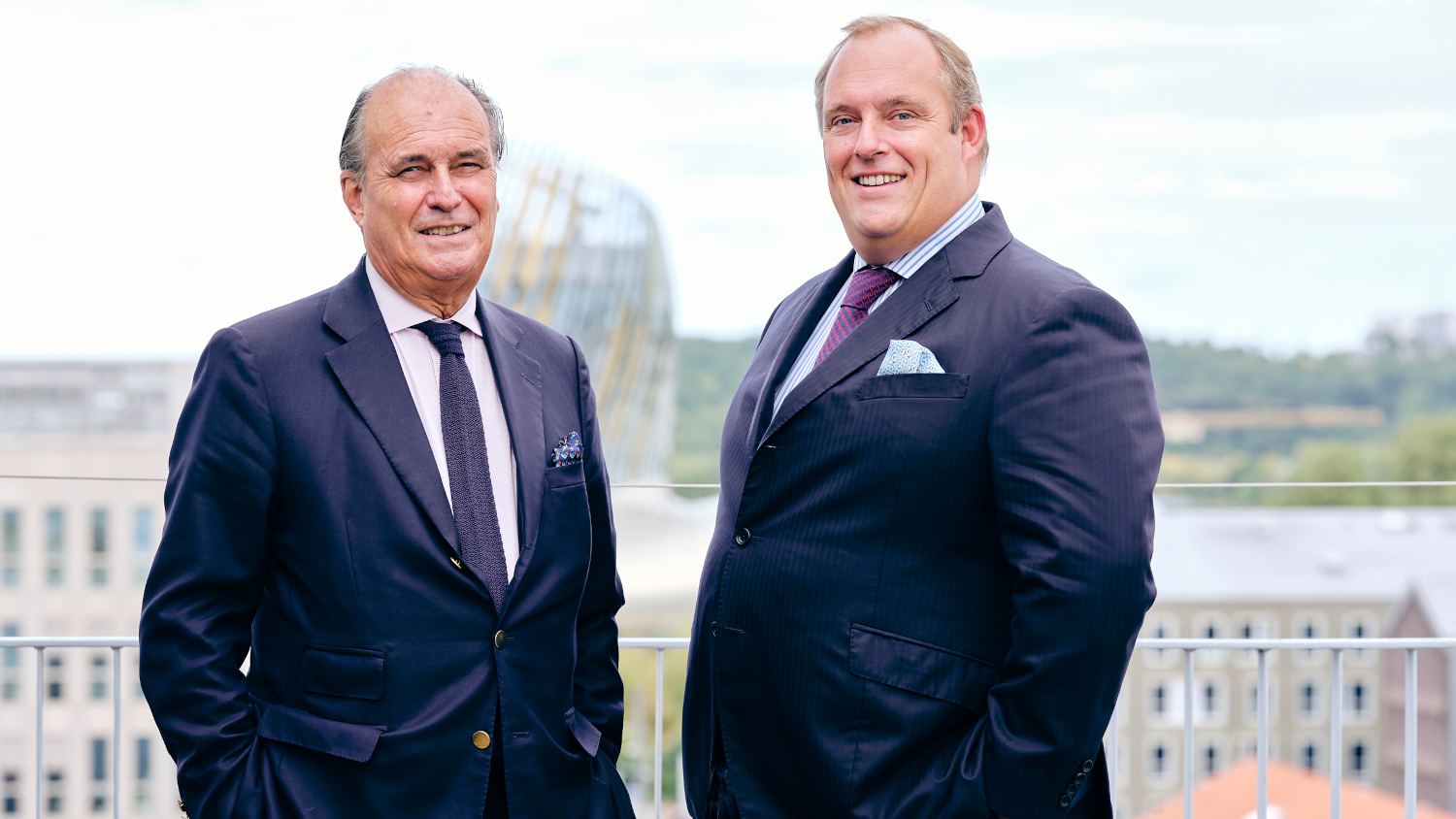
The Castéja family
Owned by the Castéja family since 2022, Château Peyrabon benefits from the Castéja winemaking expertise and its teams who are used to working meticulously for the other properties of the group including the famous Grands Crus Classés Château Batailley and Château Lynch-Moussas.
A contemporary-style barrel cellar
After an initial sorting in the vineyard and a second optical sorting, the rigorously selected batches of grapes are taken to the winery. The wines are vinified in temperature-controlled stainless steel tanks in homogeneous batches according to the anthocyanin content of the berries. Depending on the vintage, a portion of the Cabernet Sauvignon harvest undergoes whole-cluster fermentation to soften and round out the tannins. Maceration then takes place over a period of 15 to 24 days. During this time, pump-overs and temperature checks are carried out to preserve the fruit’s vibrancy and select the finest tannins. Pump-overs are performed twice a day. At the end of maceration, the free-run wine is drawn off from each tank to produce the press wine, which is more concentrated in color and tannins. Malolactic fermentation can then begin in barrels. Once this step is completed, the first blends of the three wines will be made by the technical teams of Château Peyrabon, under the expert eye of Xavier Michelet and benefiting from the wise advice of Éric Boissenot.
One of the ambassadors of the Crus Bourgeois of the Médoc
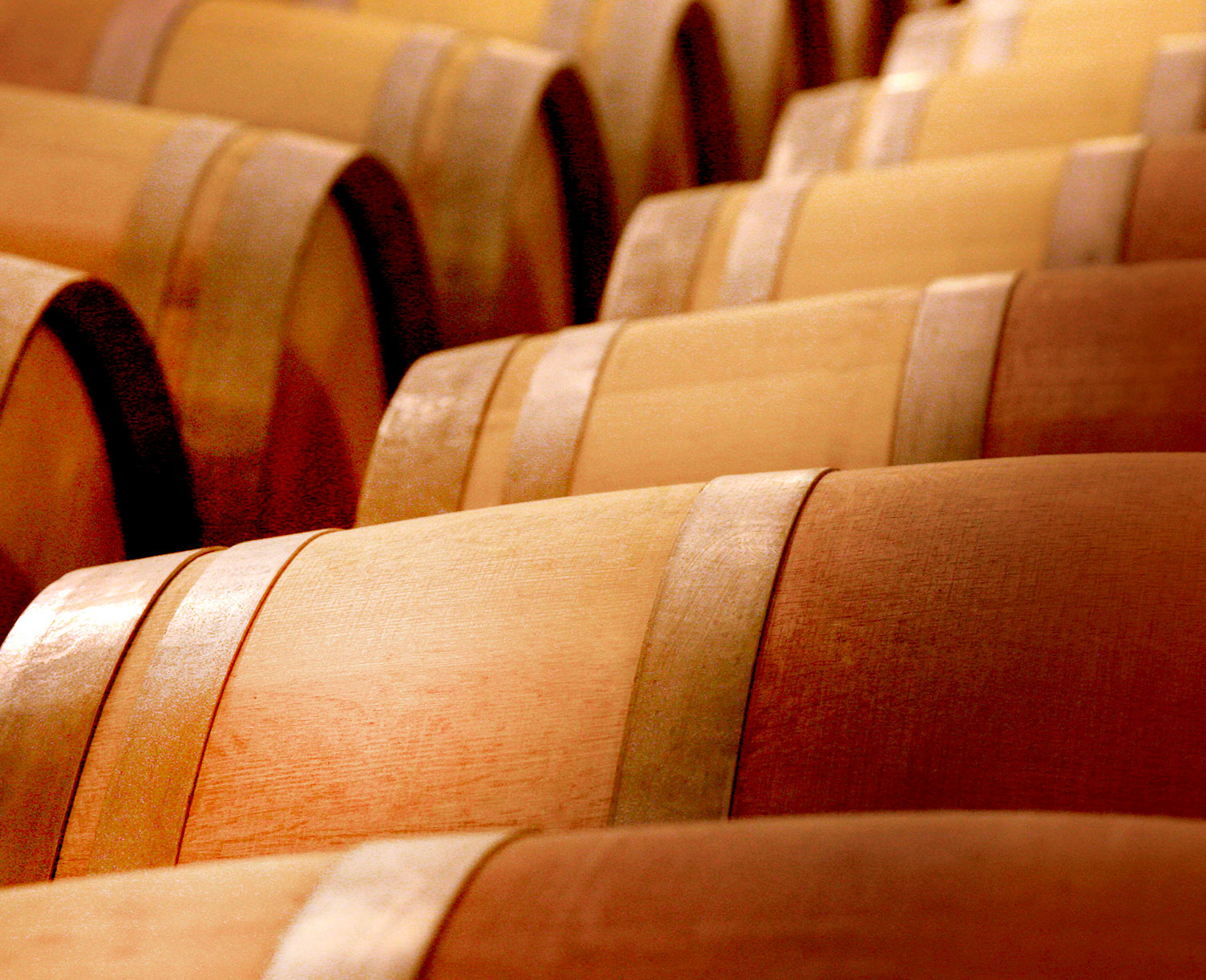
It is then in the silence of the majestic barrel cellar that time works its magic. Created by Mr. Patrick Bernard, who sought to maintain symmetry and regularity in a contemporary style, the semi-underground cellar is equipped with a self-regulating system that constantly monitors the air temperature at 14°C.
As a tribute to the elements that make up the Château Peyrabon environment, the cellar is clad in two colors. The stone tone creates a unified look with the color of the oak barrels, while the ochre color evokes that of the wine patiently aging within.
In this 1,200 m² space, Château Peyrabon wines are aged for 14 months, respecting a proportion of new oak adapted to their structure (25% new oak for Château Peyrabon and 50% new oak for La Fleur Peyrabon).
The château’s technical team tastes the different batches of wine to achieve the perfect blend at the end of the aging process. Each year, approximately 150,000 bottles are produced by Château Peyrabon (32,500 of Château La Fleur Peyrabon and 120,000 of Château Peyrabon).